Ir al contenido principal

Crime and punishment

 Crime is a serious issue that affects many places around the world. Some of its causes and forms include theft, violence, drug trafficking, and other criminal acts. Every crime has consequences determined by law, and in my opinion, punishment is strictly necessary to guarantee justice and protect people.

But I’ve often asked myself:

  • Are all punishments truly fair?

  • Is prison always the best solution?

Plus de 40 images de Dessin Voleur et de Voleur - Pixabay

These questions have come to my mind over time, and also in situations I’ve witnessed personally. I’ve seen someone attack another person with a sharp weapon, or people commit theft and be released the very next day. I’ve also heard of cases where someone was accused of abusing a student, spent years in prison, and later the student confessed that the accusation was false, due to a flawed investigation.

We live in a society where minor offenses can lead to many years in prison, while people who commit serious crimes might only receive short sentences. In my opinion, punishments should be stricter in those cases where justice seems unbalanced.

However, I also believe that people who haven’t committed major crimes deserve a second chance—especially if they truly want to change. Rehabilitation and education can be key to building a better society.

That’s why I think we must reflect critically on these situations and ask ourselves:
What kind of society do we want to build?

Understanding crime and punishment is not just about laws and regulations, but also about justice and responsibility. As citizens, we must reflect on how justice operates in our society and how we can contribute to a safer and more respectful world. Critical thinking helps us see beyond the surface and seek real solutions.
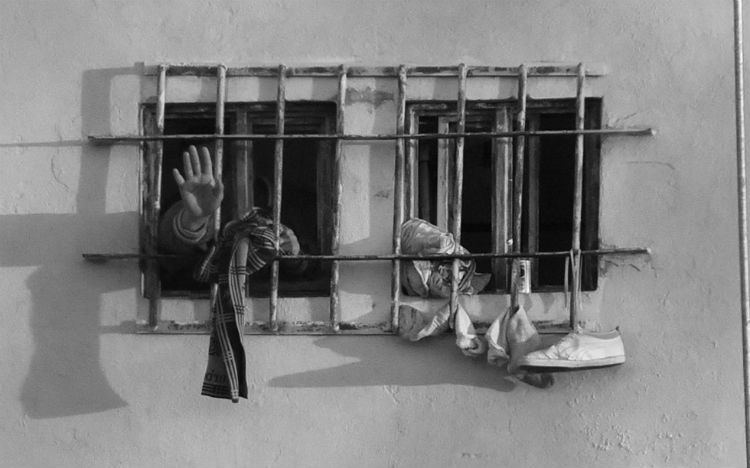
Derecho penal y formas de castigar: historia del castigo | Panamá América

Comentarios

Entradas más populares de este blog

Attitudes, Beliefs, and Obligations in My Work and Academic Context

My name is Daniel José Mosquera Fajardo from the 3D animation department, and I'm here to talk to you about attitudes, beliefs, and obligations in your work and academic context.    In my academic field, as a professional, you must be responsible, highly committed, and constantly learning. I also have to be respectful of my peers and those in authority, and respect the opinions of others. I must communicate clearly with those around me. I must be punctual and meet deadlines. Likewise, you must act positively at work and school to create a positive environment. I should study harder to acquire more knowledge every day and contribute to a positive and productive environment.    I also have to analyze my situations to handle them more efficiently. I should also create a to-do list to have an organized environment. I must also take active breaks to avoid stress to have better performance in work performed, Also, I have to learn new skills related to my posit...

Flexibility and adaptability

  Hello, my name is Daniel José Mosquera Fajardo. I am a student of the 3D Animation training program at SENA , and my instructor is Alexander de Jesús Nuñez . This activity is part of the topic: Trajectory, Plans, and Actions in Academic and Work Contexts . I have been studying 3D animation for one year. This has helped me gain new knowledge and grow both academically and professionally. In the future, I plan to continue studying and to work in a company dedicated to animation, where I can apply everything I have learned. If I continue improving my skills, I will have more job opportunities. If I hadn't started this program, I wouldn't have discovered my passion for animation. If I learn more, it will be easier for me to do this job. If I don’t understand a topic, I seek help or study more until I understand it. Throughout my academic and professional journey, I have always tried to adapt to any situation that arises. I believe that to be a good leader, you must be c...

Critical Thinking and Media Literacy

In today's world, we are surrounded by countless media outlets, from television programs to social media to online news. But have we ever stopped to ask ourselves important questions like: Is this news truly neutral or does it only present one point of view? Is this advertisement only selling a product, or also a lifestyle or an idea? Is this video real or staged? These types of questions help us develop critical thinking and media literacy. Having critical thinking skills and learning to analyze information allows us to make better decisions in our daily lives. Instead of believing everything we see, we can ask ourselves: "What is the purpose of this message?" or "Who created this content and why?" These questions can help us avoid scams, false content, misinterpreted messages, believing fake news, or persuasive techniques. Understanding the intention behind the message is key to being more informed and less manipulated. For example, many advertisements not onl...